Why Pool Filters Are Important for Water Quality
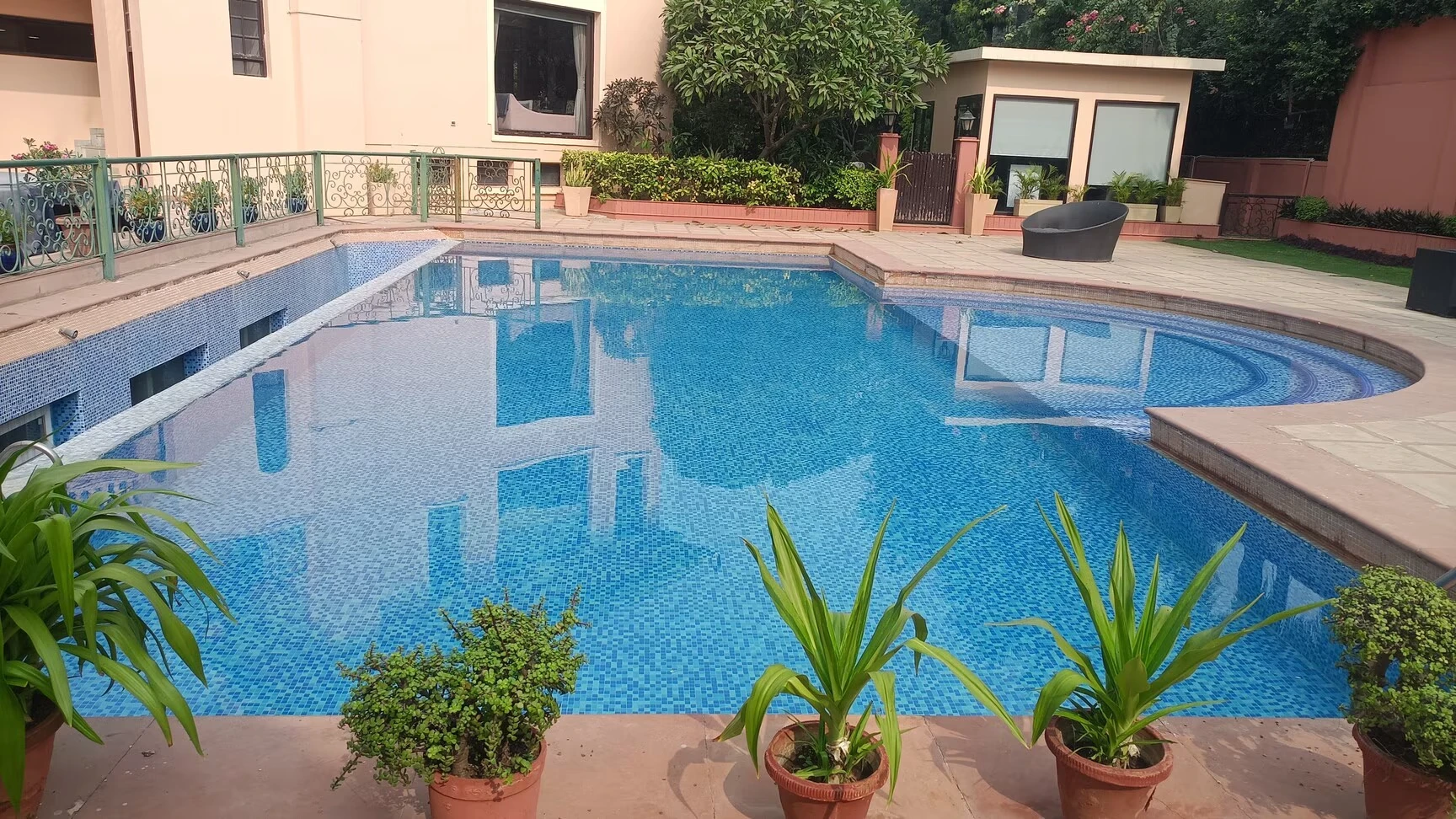
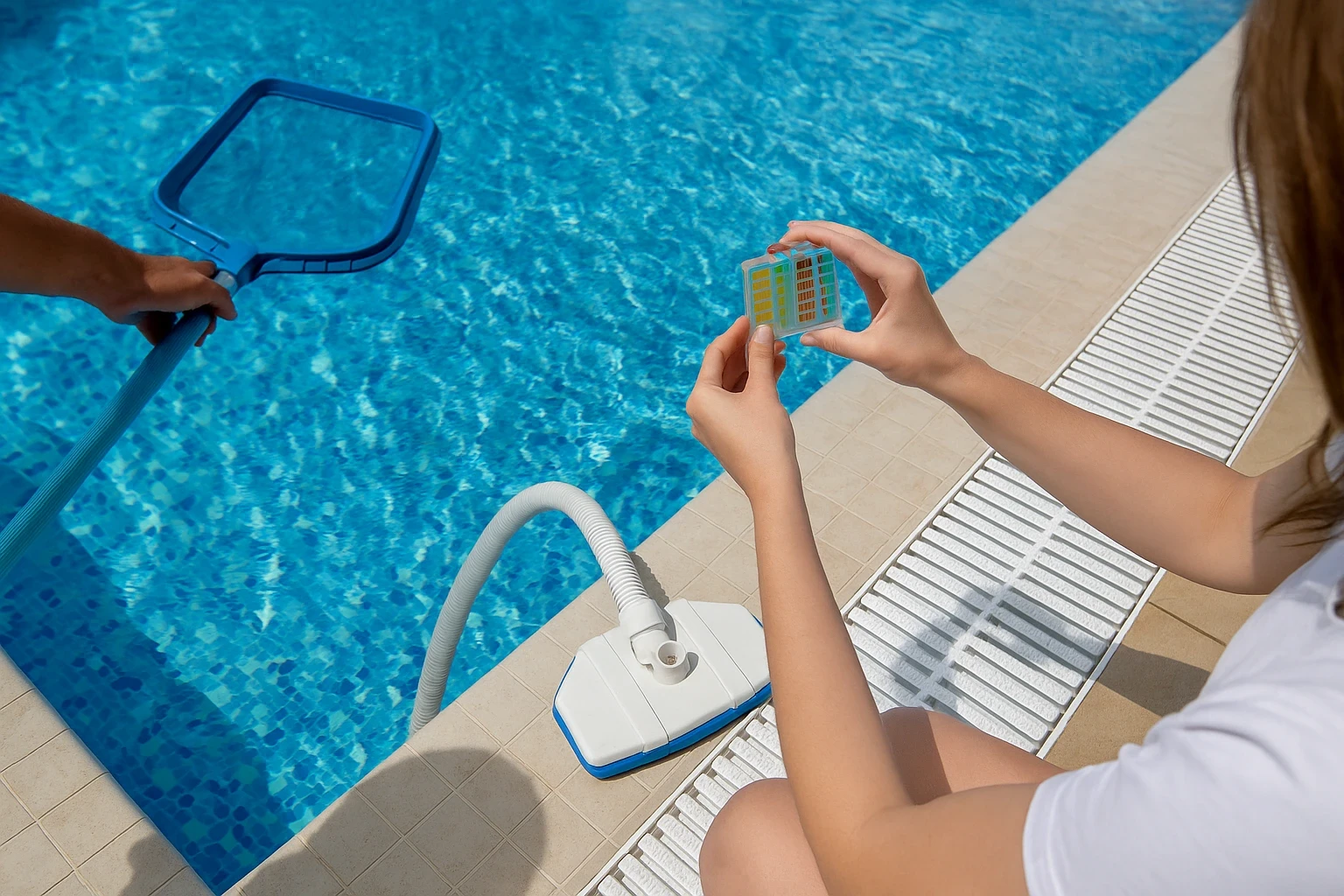
When people envision an inviting swimming pool, they picture crystalline, mirror-like water that glistens in the sun. However, maintaining that level of purity requires far more than surface skimming or pouring in sanitizing chemicals. While disinfectants neutralize bacteria and algae on a molecular level, they do not make particulate matter vanish. This is where mechanical filtration plays an indispensable role. If the circulation pump acts as the heart of your swimming pool, the filtration system serves as its kidneys—tirelessly separating physical impurities, environmental fallout, and organic waste from the water stream. At Pratyaksh Pool Care, we specialize in high-efficiency commercial and residential filtration solutions engineered to guarantee immaculate water clarity and bather safety.
How Pool Filtration Works: The Core Hydrodynamics
Mechanical filtration works via continuous, pressurized cycles. The swimming pool pump pulls untreated water through surface skimmers and bottom suction drains, channeling it directly into the filter tank under steady hydrostatic pressure. As the water forces its way through the dense filtration media, suspended microscopic particles become trapped within the media matrix. The polished, clarified water then flows out through internal laterals, passing back into the basin via directional return inlets. Without this continuous cycle, suspended contaminants remain adrift, resulting in stubborn turbidity, chemical resistance, and severe hygiene hazards.
Primary Types of Swimming Pool Filters
Every pool installation has unique hydrodynamic needs based on water volume, ambient climate, and bather turnover. Understanding the three primary filter types helps determine the best fit for your facility:
1. High-Rate Sand & Multi-Media Filters (The Commercial Workhorse)
Sand filters represent the most durable, reliable, and widely installed filtration system across the globe. Water enters the top of a fiberglass-reinforced tank and diffuses downward through a dense bed of graded silica sand or advanced active glass media.
- Filtration Threshold: Traps particulates between 20 to 40 microns with traditional silica sand, and down to under 5 microns when using high-performance recycled activated glass media from Pratyaksh Pool Care.
- Key Advantages: Exceptionally durable tanks capable of withstanding high operating pressures, low operational costs, and simple hands-off cleaning via multi-port valve backwashing.
- Media Lifespan: Standard silica sand lasts 3 to 5 years, while activated glass media can perform efficiently for up to 8 to 10 years without clumping or channeling.
2. Cartridge Filters (Water Conservation & Compact Footprints)
Cartridge filters utilize pleated polyester or synthetic fabric elements wrapped tightly around an internal core, housed inside a compact, upright pressure vessel.
- Filtration Threshold: Captures fine dirt down to 10 to 15 microns, providing noticeably finer filtration than traditional silica sand.
- Key Advantages: Zero water wastage since cartridge filters do not require backwashing. They run efficiently at lower pump pressures, reducing hydraulic drag and saving electricity. Ideal for indoor pools, rooftop installations, plunge pools, and water-restricted regions.
- Maintenance: Requires manual removal and deep hose washing of the pleated elements every few weeks, with element replacement every 1 to 2 years depending on bather load.
3. DE (Diatomaceous Earth) Filters (The Ultra-Fine Clarifiers)
DE filters feature internal fabric grids coated with a fine powder made from fossilized microscopic organisms called diatoms.
- Filtration Threshold: Captures particles down to a staggering 2 to 5 microns, delivering the highest visual clarity achievable in pool engineering.
- Key Considerations: While offering unmatched clarity, DE systems require frequent recharging with fresh powder after each backwash, demand specialized disposal protocols, and carry significantly higher maintenance costs.
Why Filter Maintenance Directly Protects Your Equipment & Budget
Neglecting your pool filter creates a damaging chain reaction throughout your entire mechanical room:
- Eliminating Strain on Circulation Pumps: As debris packs into the filter media, resistance spikes. A clogged filter forces the pump motor to work against severe backpressure, leading to overheating, early seal failures, and inflated electricity bills.
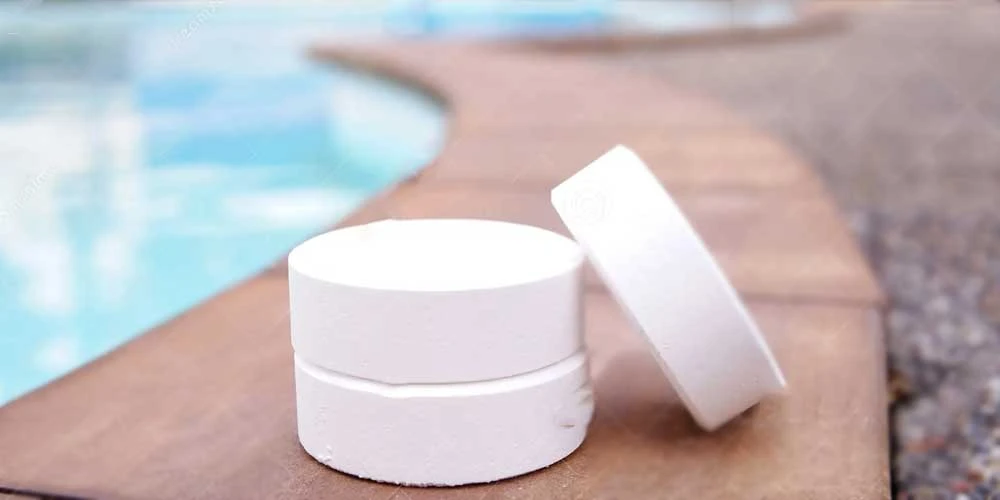
- Preventing "Chlorine Lock" and Chemical Waste: When particulate matter sits trapped inside an unwashed filter bed, it consumes large quantities of free chlorine before the sanitizer ever reaches the pool basin. Clean filters dramatically lower overall consumption of sanitizers like TCCA 90%.
- Preventing Media Channeling: In neglected sand filters, pressurized water eventually bores direct channels through calcified sand beds, allowing unfiltered water to bypass the media entirely and cycle right back into the pool.
The Golden Rule of Filter Maintenance: Monitoring Differential Pressure
The pressure gauge mounted on top of your filter tank is your primary operational indicator. For optimal performance, Pratyaksh Pool Care recommends the following protocol:
- Note Clean Baseline Pressure: Always note the pressure reading right after installing fresh media or completing a thorough backwash (typically between 10 and 15 PSI depending on plumbing layout).
- Identify the 8–10 PSI Threshold: As debris accumulates, the pressure climbs. Once the gauge reads 8 to 10 PSI above clean starting pressure, flow rate drops sharply, signaling that it is time to clean the cartridge or execute a backwash sequence.
- Execute the 6-Way Multiport Valve Sequence: For sand filters, always turn off the pump before rotating the valve. Run Backwash for 2 to 3 minutes until the sight glass runs clear, followed by a 30-second Rinse cycle to reseat the sand bed before switching back to Filter mode.
Conclusion: Elevate Water Purity with Pratyaksh Pool Care
Crystal-clear water is neither an accident nor solely the result of heavy chemical dosing—it is the direct outcome of a properly sized, high-performance filtration plant running on balanced flow rates. Investing in heavy-duty sand or cartridge filters protects your bathers from waterborne contaminants, saves money on chemical consumption, and preserves your mechanical equipment for years of seamless operation. Partner with Pratyaksh Pool Care to source industrial-grade filtration plants, premium filter media, replacement cartridges, and comprehensive maintenance support tailored to your pool's exact engineering demands.