Top Pool Maintenance Tips for Crystal Clear Water
Achieving crystal-clear, sparkling swimming pool water is neither a matter of luck nor something that can be resolved with occasional emergency interventions. Relying on an aggressive once-a-month shock treatment creates a frustrating cycle of cloudy water, chemical waste, and recurring algae blooms. Sustainable pool care depends entirely on consistent, disciplined preventative care. At Pratyaksh Pool Care, we believe that an optimized, predictable maintenance schedule protects your structural assets, minimizes sanitizer expenses, and guarantees pristine water that is safe and inviting every day of the week.
1. Daily Skimming and Surface Hygiene
Environmental debris—such as windblown dust, leaves, pollen, and insects—starts on the surface before absorbing water, sinking to the bottom, and decomposing into organic matter that consumes chlorine.
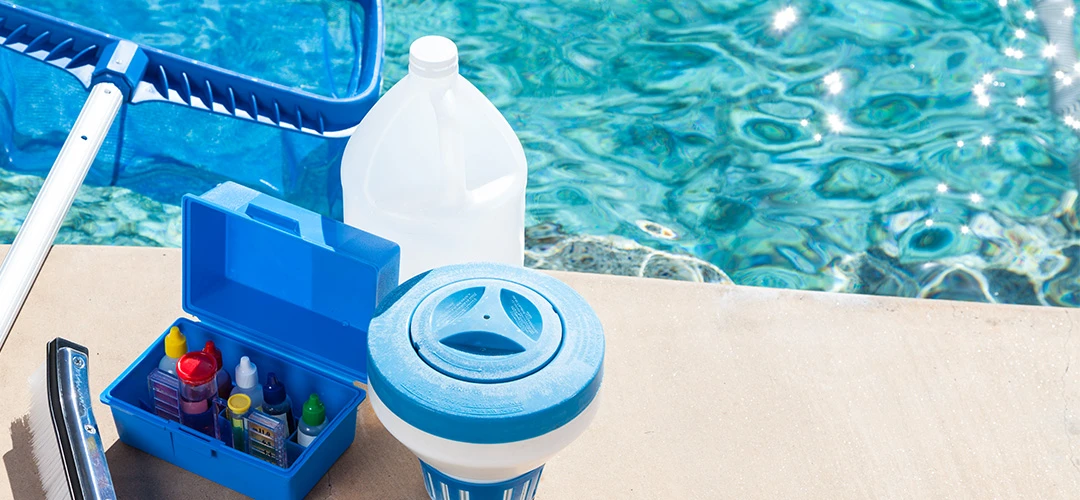
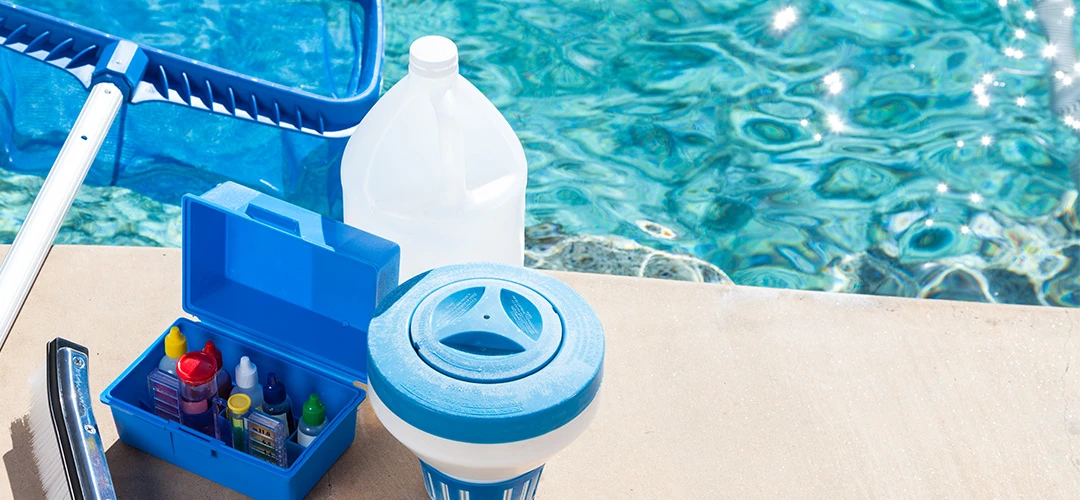
- Daily Surface Skimming: Use a commercial-grade deep-pocket leaf rake from Pratyaksh Pool Care every morning to remove floating debris before it reaches the skimmer baskets.
- Emptying Skimmer & Pump Baskets: Clear debris baskets daily. A packed basket severely restricts water flow into the pump, elevating operating temperatures and causing cavitation damage to internal impellers.
- Waterline Tile Wiping: Sunscreen oils and body fats naturally collect along the perimeter tile line. A quick wipe with a specialized non-abrasive pool tile sponge prevents permanent calcium-grease ring stains.
2. Mechanical Brushing and Floor Vacuuming
Even with optimal filtration, dead circulation zones exist along step crevices, light recesses, and sharp floor transitions where microscopic algae spores take root.
- Wall and Floor Brushing (2–3 Times a Week): Thoroughly brush the walls, steps, ladders, and corners down toward the main drain. For concrete and plaster pools, use stainless steel or hybrid wire brushes; for vinyl, fiberglass, or delicate mosaics, use stiff nylon bristle brushes supplied by Pratyaksh Pool Care to avoid scratching surfaces.
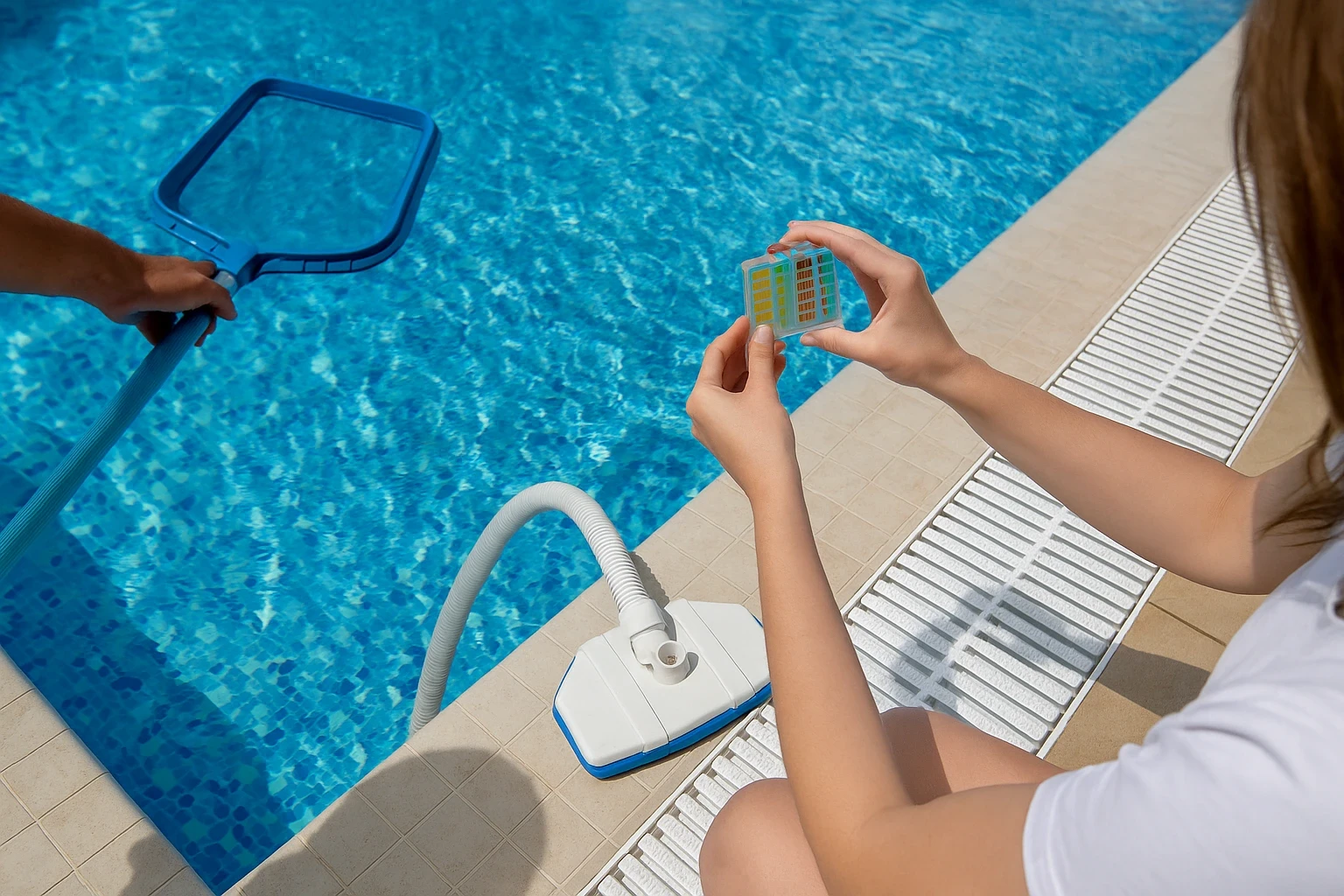
- Deep Vacuuming: Vacuum the floor weekly using a weighted, multi-wheel flexible vacuum head and spiral floating hose connected directly to your dedicated suction point. This eliminates dead organic dust that standard surface skimmers cannot pull in.
3. Water Chemistry & Balance Verification
Disinfectants cannot perform efficiently if the water is hydrodynamically out of balance. Testing water chemistry 2 to 3 times weekly using a professional liquid comparator test kit or digital photometer is mandatory for maintaining water stability.
- pH (7.2 – 7.6): The most sensitive parameter. If pH drifts below 7.2, acidic water corrodes heat exchangers, ladder anchors, and pump seals while irritating bathers' eyes. If pH rises above 7.8, chlorine efficiency drops by over 50%, triggering cloudy water and mineral scaling. Balance weekly with pH Increaser (Soda Ash) or pH Reducer from Pratyaksh Pool Care.
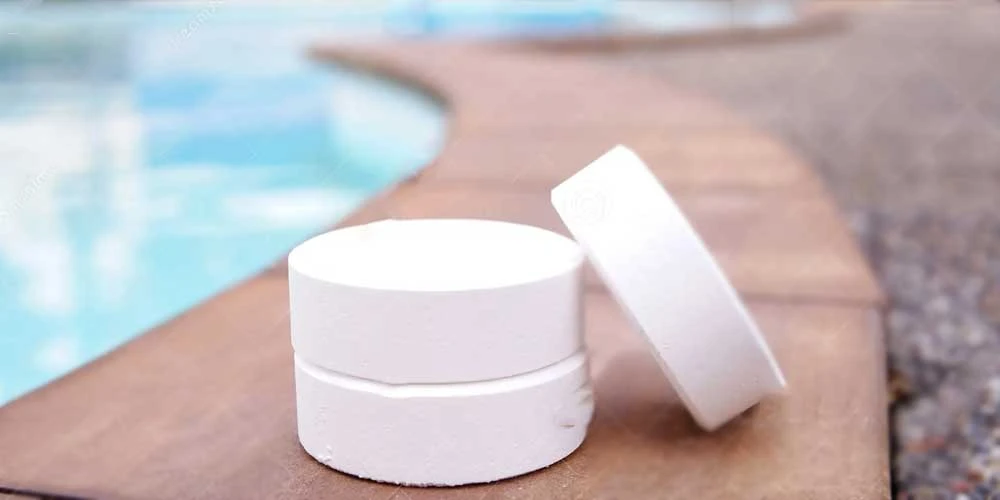
- Free Available Chlorine (1.5 – 3.0 ppm): Maintain continuously using slow-dissolving TCCA 90% tablets in erosion dispensers to neutralize pathogens instantly.
- Total Alkalinity (80 – 120 ppm): Serves as the chemical shock absorber that shields pool water from wild pH fluctuations.
- Calcium Hardness (200 – 400 ppm): Prevents soft water from leeching calcium out of plaster and tile grouting, while keeping hard water from precipitating chalky scale over pool walls and underwater lighting fixtures.
4. Weekly Superchlorination (Pool Shocking)
When free chlorine bonds with ammonia and organic nitrogen compounds (sweat, urine, body oils), it transforms into combined chlorine—better known as chloramines. Chloramines are responsible for the pungent, stinging "chlorine odor," itchy skin, and eye burn often incorrectly blamed on fresh chlorine.
- Oxidizing Combined Chlorine: Shock the pool once a week (or after heavy rainstorms and pool parties) using high-grade shock oxidizer or granular chlorine from Pratyaksh Pool Care. Raising free chlorine to 10 times the combined chlorine level breaks the chloramine chemical bond (breakpoint chlorination), burning off organic contaminants and restoring diamond-like clarity.
- Nighttime Application: Always dose shock treatments after sunset with the circulation pump running continuously. This allows the oxidizer to work uninterrupted without being degraded by harsh daytime ultraviolet rays.
5. Filter Maintenance & Pressure Differential Management
A dirty filter recirculates fine dust back into the pool while straining your motor.
- The 8–10 PSI Threshold: Check the tank pressure gauge weekly. Once the gauge climbs 8 to 10 PSI above clean starting pressure, the media bed is packed with silt and requires immediate backwashing.
- The Backwash & Rinse Sequence: Turn off the pump, set the 6-way multiport valve to Backwash, and run for 2–3 minutes until the sight glass runs clear. Switch to Rinse for 30–45 seconds to reseat the silica sand or active glass media bed before resuming normal Filter operation.
6. Circulation Cycles & Water Level Oversight
- Run Times: Run your circulation pump for at least 8 to 12 hours daily during peak warm weather to complete a minimum of two full water turnovers.
- Water Level Maintenance: Keep the pool water line precisely halfway up the skimmer throat mouth. If the water drops too low, the skimmer draws air directly into the plumbing lines, creating air locks that burn out dry pump seals.
Conclusion: Professional Clarity Made Simple with Pratyaksh Pool Care
Sustaining pristine, mirror-like water does not require complicated chemistry when you follow a structured, proactive routine. By integrating daily physical skimming, weekly brushing, precise chemical balancing, and scheduled filtration backwashes, your pool will remain a safe, sparkling sanctuary all year long. Turn to Pratyaksh Pool Care for certified pool sanitizers, TCCA 90% tablets, professional vacuum sets, multi-media filters, and expert technical guidance designed to keep your pool at peak clarity.